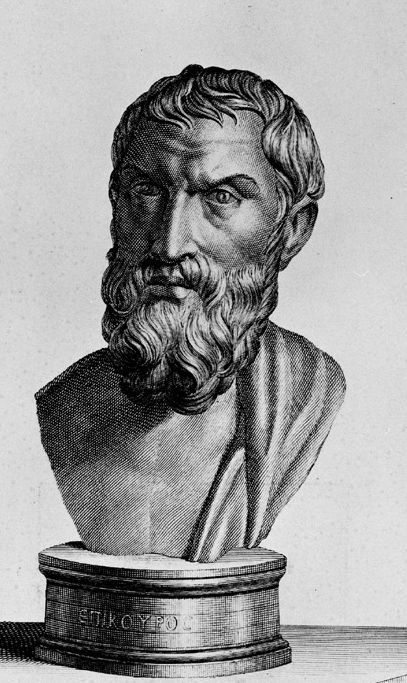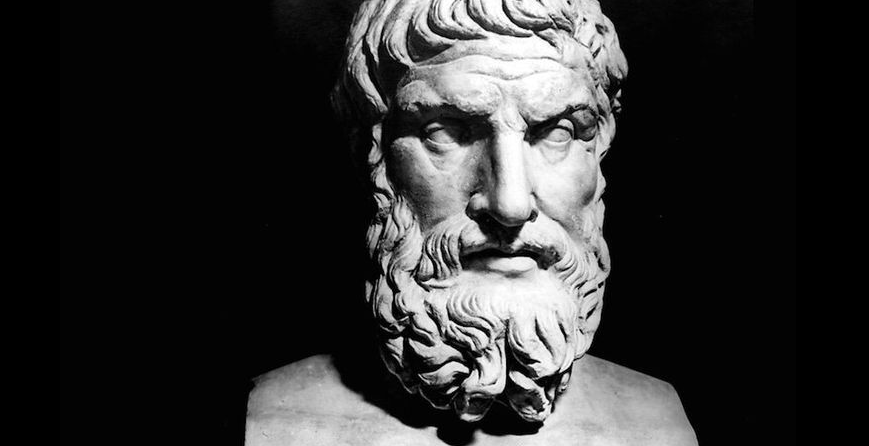
Starting with clearing a misconception that Epicureanism == Hedonism.
Epicureanism as compared to hedonism, is more of a systematic philosophy also having a proper epistemological and metaphysical framework; which btw we won’t be discussing here because our focus will be on his ethics ie, What is a good life.
So, Epicureanism ≠ generally conceived hedonism because although they recognize pleasure as the highest good for humans like hedonism but this pleasure relatively differs from the general conception of hedonism, where we constantly indulge in immediate pleasure-seeking, whereas Epicureanism focuses more on tranquility, i.e., negative pleasure, meaning the absence of physical pain and mental disturbance.
So, Epicureanism views pleasure as the elimination of suffering rather than the accumulation of positive sensations. They distinguish pleasures as kinetic and katastematic. Kinetic pleasures are active enjoyment of positive sensations, such as eating delicious food, sexual gratification, or aesthetic appreciation. Katastematic pleasures, on the contrary, are stable states of satisfaction without active sensation, such as the absence of hunger, fear, or pain. Also, kinetic pleasures are physical immediate pleasures, while on the other hand, katastematic pleasures are long-term peace of mind. So according to Epicureanism, katastematic pleasures are the highest type of pleasure, and we should seek them instead of temporary sensational pleasures.
Epicurus also classified types of desires for the implementation of Epicureanism. He developed a tripartite classification that categorizes types of desires:
- Natural and necessary desires
- Natural but non-necessary desires
- Vain desires
Natural and necessary desires:
These desires are natural and must be satisfied. i.e., these desires arise from human nature itself and must be satisfied for physical and psychological health. Also, they are naturally limited, which means once hunger is satisfied, the desire for food naturally ceases, creating stable pleasure without endless craving. This limits the constant indulgence in pleasure-seeking.
Natural but non-necessary desires:
These are desires that are subjective and are not necessary to be satisfied, i.e., luxurious food/housing or sexual gratification with particular individuals. While these desires arise naturally from human psychology, their satisfaction is not a must or even required for happiness and may generate more pain than pleasure through the anxiety of accomplishment and the fear of loss. Epicurean practices recommend moderate indulgence in such desires when circumstances permit but warn against dependence on them for happiness.
Vain desires:
represent the most dangerous and useless category of desires, and they must be avoided for a better life. These desires include having aspirations for immortality, permanent fame, or absolute security. These desires can never be satisfied because they aim at impossible or unlimited goods. Longing for vain desires generates never-ending frustration and anxiety, and it directly opposes the Epicurean goal of tranquility. His conception of philosophical therapy focuses particularly on eliminating such types of desires through a rational understanding of their impossibility.