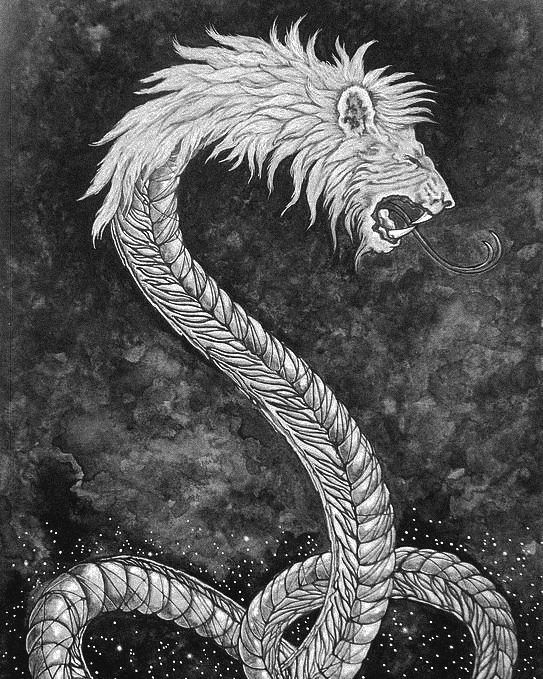
Plato’s Timaeus present a cosmology in which the Demiurge plays an important role in shaping the cosmos according to the eternal Forms. But, the claim that Forms are existentially dependent on the Demiurge or viewing demiurge as a divine being is not fully supported by Plato’s broader metaphysical framework. Plato when talking about demiurge writes : ” being ‘Good’ he desired that all things would be good, so he made them according to forms” . Well indeed it does looks like plato is discribing a theistic ex nihilo But Plato himself never depicts the Demiurge creating matter from nothing (Timaeus 28d–30b). Instead, he orders pre‑existing chaotic matter ( often referred as primal matter) by imitating the pattern of the perfect world of Forms. If we examine this systematically, the Demiurge emerges not as a divine being in the traditional theistic sense but as the personification of rational order what Plato elsewhere calls the World‑Soul. In the Laws (896b–c), Plato explicitly links the World‑Soul to a self‑moving principle, suggesting a cosmic intelligence rather than a personal creator‑god. This also aligns with his account in the Republic, where the Form of the Good is clearly the ultimate source of intelligibility (507b–c), and the Demiurge functions as its executive, imposing harmony on matter. Since “The Good” is the source of all Forms in Platonism, the Demiurge can be understood as a manifestation of the Good’s ordering power rather than an ontological origin of the Forms themselves. The Forms remain eternal, unchangeable archetypes, self‑subsisting independently of any divine being. If the Demiurge was the the existential source of the Forms, they would be contingent rather than necessary which contradicts their role as unchangable timeless archetypes. Even at some places plato’s language remains personal ie, he writes of the Demiurge loving the world and willing its good. Yet this personal language coexists with his philosophical move to cast the Demiurge as an impersonal rational principle, influenced by Heraclitus’ Logos. The Logos, for Plato, is the rational principle governing the cosmos, which the Demiurge embodies. There is indeed ambiguity in his cosmology, and it instructive to view how later Platonists : Plotinus, Proclus, and others read the Timaeus. They often develop a more overtly theistic Demiurge, but according to this interpretation Plato’s text supports a subtler ontology: (a) the Form of the Good as first principle; (b) the Demiurge as its executive or personification; (c) the World-Soul as the animating rational structure. This preserves the independence of the Forms while acknowledging the Demiurge’s vital role in bringing pre-existing chaos into metaphysical harmony.
Philosophy September 25, 2025
Plato’s Demiurge: God or Rational Order in the Timaeus?
Plato’s Timaeus present a cosmology in which the Demiurge plays an important role in shaping the cosmos according to the eternal Forms. But, the claim that Forms are existentially dependent on the Demiurge or
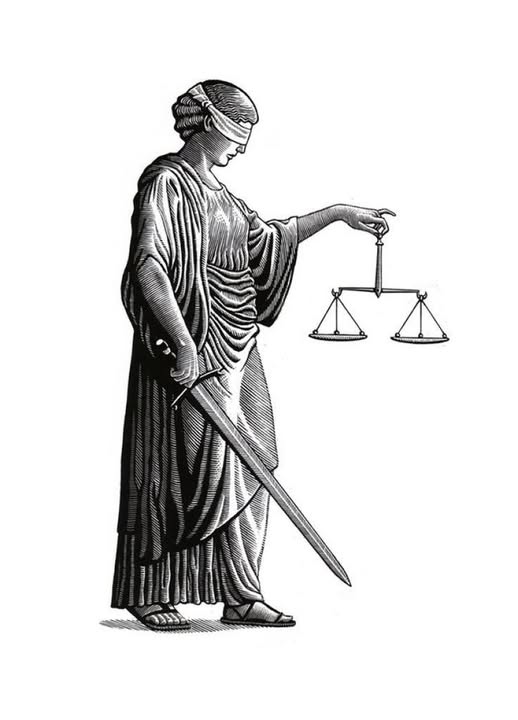
John Rawls’ Veil of Ignorance: Justice and Fairness
Rawls proposes a hypothetical situation what he calls ” The veil of ignorance” where you are the one who will determine social structure, but the catch is you do not…
Read the essay →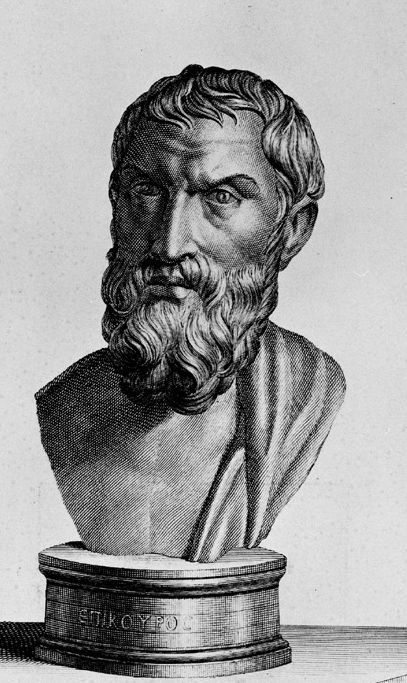
Epicurus’ Metaphysics and the Soul: Atoms, Void, and Human Freedom
Previously we discussed Epicurean ethics, and as I mentioned, his hedonism was a systematic hedonism with a proper metaphysical/epistemological framework. Because he had a huge influence on 17th-century…
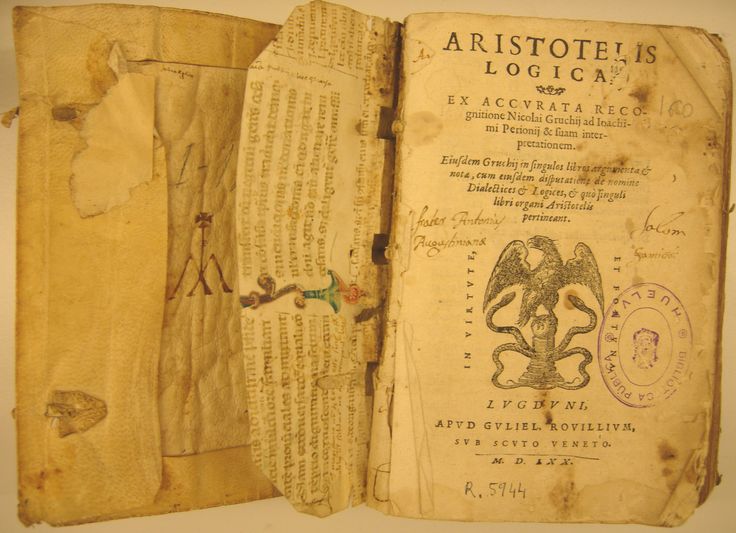
Understanding Aristotle’s Logic: Syllogism, Principles, and Examples
Syllogism In his book Prior Analytics, Aristotle introduced the concept of syllogism. Syllogism is a form of reasoning through which conclusions can be drawn based on specific assumptions…