–Burden of proof and Russell’s teapot analogy:
Assume that a teapot is orbiting the Earth and the Sun. It is so small that it is impossible to observe it with any telescope or any kind of device. Now, just because its non-existence cannot be proven, it does not mean that we should blindly believe that it exists. Russell used this example to argue that the burden of proof lies on those who make irrefutable claims, not on those who reject these claims due to lack of evidence. He wanted to demonstrate that believing in something without evidence is unreasonable, and those who claim the existence of anything must prove its truth. For example, if I say that fairies exist and you say you do not believe it, but I then say that you must prove that fairies do not exist, that would be wrong. If I am making the claim, then I must also prove it. The same reasoning is applicable on the existence of any deity or god, when theists make the claim that god does exist , it is their responsibility to prove this claim not the other way around.
Pascal’s Wager argument:
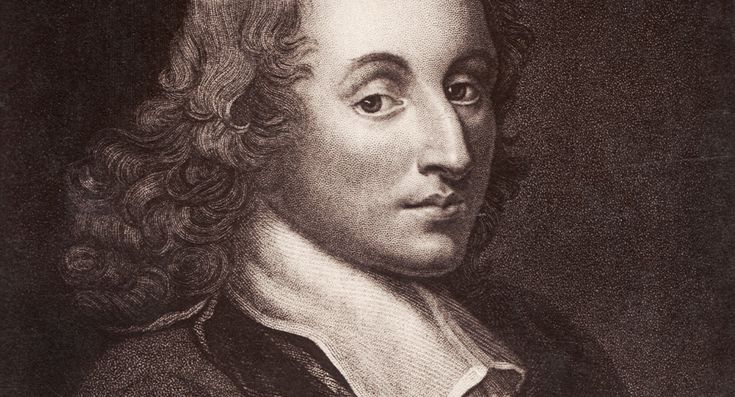
The basic idea of Pascal’s Wager is that it is wise for a person to believe in God because if God really exists, believing in him will result in the reward of eternal paradise (heaven), and if God does not exist, there is no loss. On the contrary, if one does not believe in God and God does exist, then eternal punishment is possible. So it is a gamble , one the one side lies belief, and on the other side, non belief and pascal argues that you should choose the one that benefits you the most.
— Now let’s look at some of common criticism on this argument.
The Many Gods Problem :
The wager assumes the existence of only one God to believe or not believe in, but there are about 4000 religions in the world. One cannot truely know which God to believe in, and believing in the wrong God might lead to punishment. The probability that God that we follow is the only true one is about 1 in 4000, that is 0.025%.
The Issue of Genuine Faith :
According to the wager, belief in God is motivated only by gain. Genuine faith should be selfless, not solely for the reward of heaven. Faith is not something voluntarily controlled .. Pascal assumes one can choose to believe, but belief usually arises from heartfelt conviction. God would likely favor sincere believers over those who believe just to avoid punishment, and such interest-based faith is self-deceptive.