Introduction to Utilitarianism:
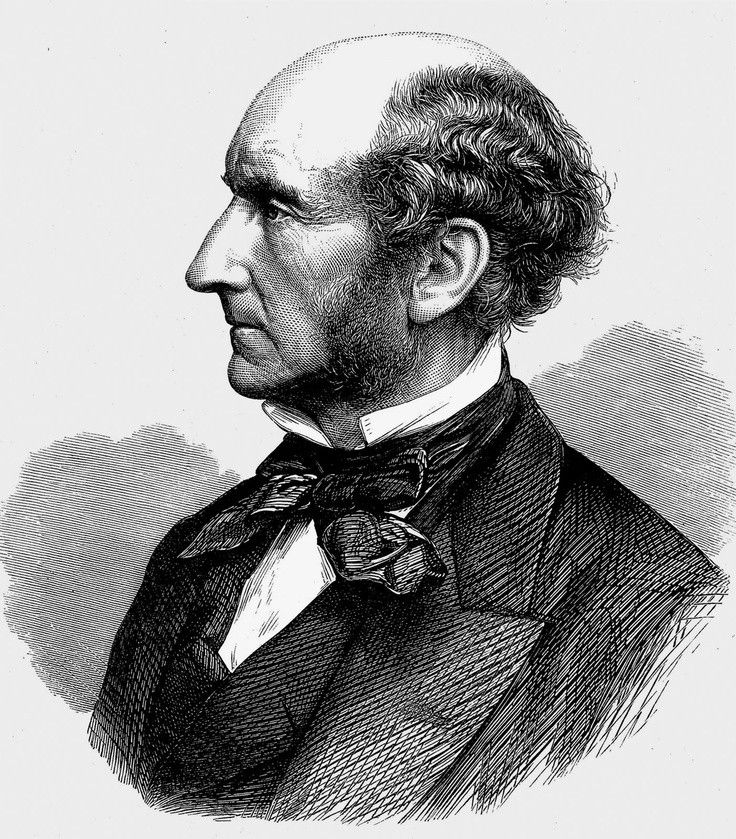
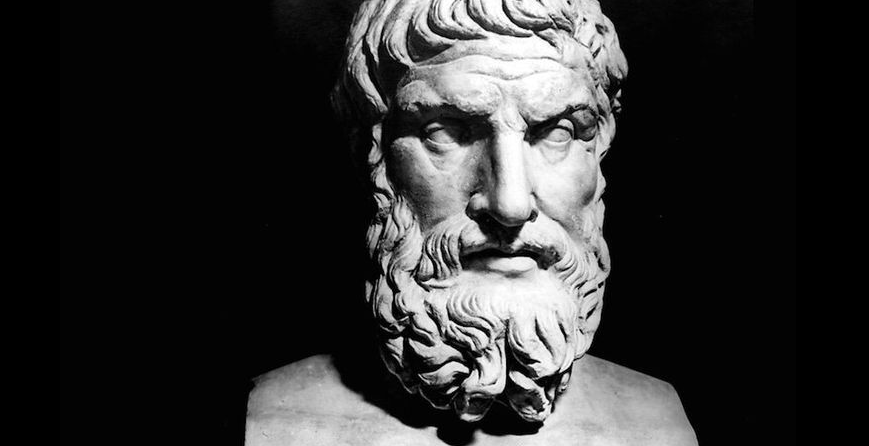
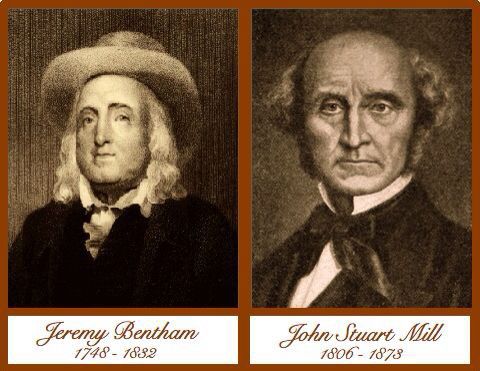
Utilitarianism was presented by James Mill and his friend Jeremy Bentham, although its form can be found in ancient Greece, but they gave it the formal shape of a moral philosophy. So Utilitarianism is actually a theory of moral philosophy that is part of the Consequentialist school of thought. Consequentialism is a moral theory that judges the moral status of an action solely on the basis of its consequences or outcomes. According to this theory, if an action produces the best possible results compared to other possible alternatives, it is considered morally correct. “The moral status of an action depends on the kinds of consequences the action produces” This is a broader philosophy, and within it is a specific school of thought called Utilitarianism. So the utilitarian philosophy says that any action will be morally correct when its consequence brings happiness to the greatest number of people: “Greatest Good for the Greatest Number” That is, the action that maximizes overall happiness will be considered morally correct. Several questions have been raised about this, one important question being: suppose 4 people need organ transplants and there is one person who lives alone, has no family, and no one knows him, so is it right to take the life of that one person to save those 4 people from dying because this is the greatest good for the greatest number, even if it comes at the expense of harming one person? Utilitarianism would answer yes to this, so they introduced a new branch called Rule Utilitarianism which says that any action will be morally correct when it benefits (brings happiness to) the greatest number of people, but those actions should be performed within certain universal rules, for example, lying is universally wrong, similarly killing someone is also universally wrong, so actions should be performed within such rules. This was the introduction to Utilitarianism, now let’s look at Mill’s thoughts on it. John Stuart Mill’s Ideas So John Stuart Mill, who was the son of James Mill, further expanded his father’s theory. Mill argued that this philosophy should not be limited to just physical pleasure and pain, but the quality of happiness should also be considered. He said that not all pleasures are equal; some pleasures are of a higher nature (higher pleasures) such as knowledge, art, friendship, and some are of a lower nature (lower pleasures) such as physical pleasure or temporary comfort. According to him, humans should prioritize those pleasures that elevate their personality, intellect, and emotions. He famously said: “It is better to be a human being dissatisfied than a pig satisfied; better to be Socrates dissatisfied than a fool satisfied.” Through this statement, Mill’s purpose was to show that higher happiness is that which gives progress to humans as humans, not just satisfies them as an animal existence. So according to Mill, greatest good for greatest number is correct, but that “good” should be based not only on quantity but also on quality. Mill also declared individual rights and freedom of speech as important, because according to him, such freedoms lead humans toward higher happiness. This theory has also been criticized on multiple aspects.